Putting the "Executive" Back in Account Executive



TL;DR
- AEs didn’t forget how to sell. The job just buried the executive work under nonstop execution.
- Complex deals mean reps lose the time to think, decide, and run accounts strategically.
- Olli gives AEs an actual assistant, so they can make the calls and close bigger deals faster.
There's a word buried in your job title that most AE’s have completely forgotten about:
Executive.
Not "Account Email Sender." Not "Account Updater.” Account Executive.
But somewhere along the way, we lost the plot, and stripped an AE’s worklife of its actual meaning.
What an Executive Actually Does
Think about what execs do in any organization.
It’s not formatting PowerPoints, pulling reports, or chasing down information.
They make decisions. They weigh tradeoffs. They figure out where to place bets, where to cut losses, and how to win. Then they delegate the work to people who go execute—and check back in when there's feedback, a roadblock, or a decision that needs their input.
That's the job.
Hard calls, and high-value judgment on what’ll actually move the needle.
Now, think about how most AEs actually spend their time:
Writing follow-up emails. Drafting summary docs. Updating others on deal status. Building meeting decks. Updating CRM. Prepping meetings by pulling the same information from six different tools.
None of that’s executive work. It's execution work.
Important, for sure. It’s all input that eventually gets the outcome (if combined in the right order and timing). But it's the work that should flow from your decisions—not consume all the time you'd otherwise spend making them.
Where We Went Wrong
At some point, the "Account" part of the job expanded, and the "Executive" part shrank.
We got more data, more tools, more signals. Which all sounds great… until you realize it's all more to manage without a process to prioritize it. The frantic, “keep-it-moving” type work that eats up hours, like Pacman munching on those little white dots. Not the high-value work.
Meanwhile, the actual exec-level work (how to engage skeptics, how to tailor messaging for a COO vs. a CFO vs. a CTO, how to change up a multithreading strategy based on account dynamics) all gets squeezed into whatever scraps of time are left.
And the more complex your deals become (you move upmarket, you go multiproduct, all of which requires executive-level thinking), the worse it gets.
Deal complexity compounds, but the time available to think about deals stays flat.
The GTM Tradeoff
Leaders have always known that time available in a rep’s week is the “fixed” variable in the revenue equation. Certain reps dial up the other variables by closing more (win %), winning bigger (ACV $), and faster (# days).
But they can only handle so many accounts at once.
So you give those reps the high-value, small account lists. While everyone else gets the template treatment. Like this:
Option 1: Go deep, stay small.
- Custom research, tailored POVs, co-created business cases
- High win rates, big ACVs
- But: less than 20 accounts per rep, and a prayer that your shortlist is right
Option 2: Go wide, stay shallow.
- Template decks, scripted demos, copy/paste follow-up
- Fat pipeline, fast cycles
- But: 200+ accounts per rep, commoditized deals, and a grind that burns reps out
And if you’re a mid-market AE managing 15-20+ active opportunities with 11 buyers each?
Tough. You get the volume model and have to tailor the experience at the same time. So…
- Account research? Skim the website 5 minutes before the call.
- Executive engagement? Hope your champion figures it out internally.
- Multithreading? Add a few names to the CRM.
But What If You Actually Had an Assistant?
Someone who could tee up winning strategies and take the execution work off your plate.
Not a tool to learn, not a dashboard to check. Not offloaded to an SDR, or dumped on an overburdened ops team. Not "automated" in the generic, half-broken sense most tools deliver.
Actually delegated. To an actual assistant.
(Because what’s an Executive without an Executive Assistant?)
Someone you can talk with. Someone studying patterns to bring you new ideas. Someone who’s creative, thoughtful, and proactive about giving you decisions to react to—so you can do what executives do:
Make the call.
The Return of the Executive
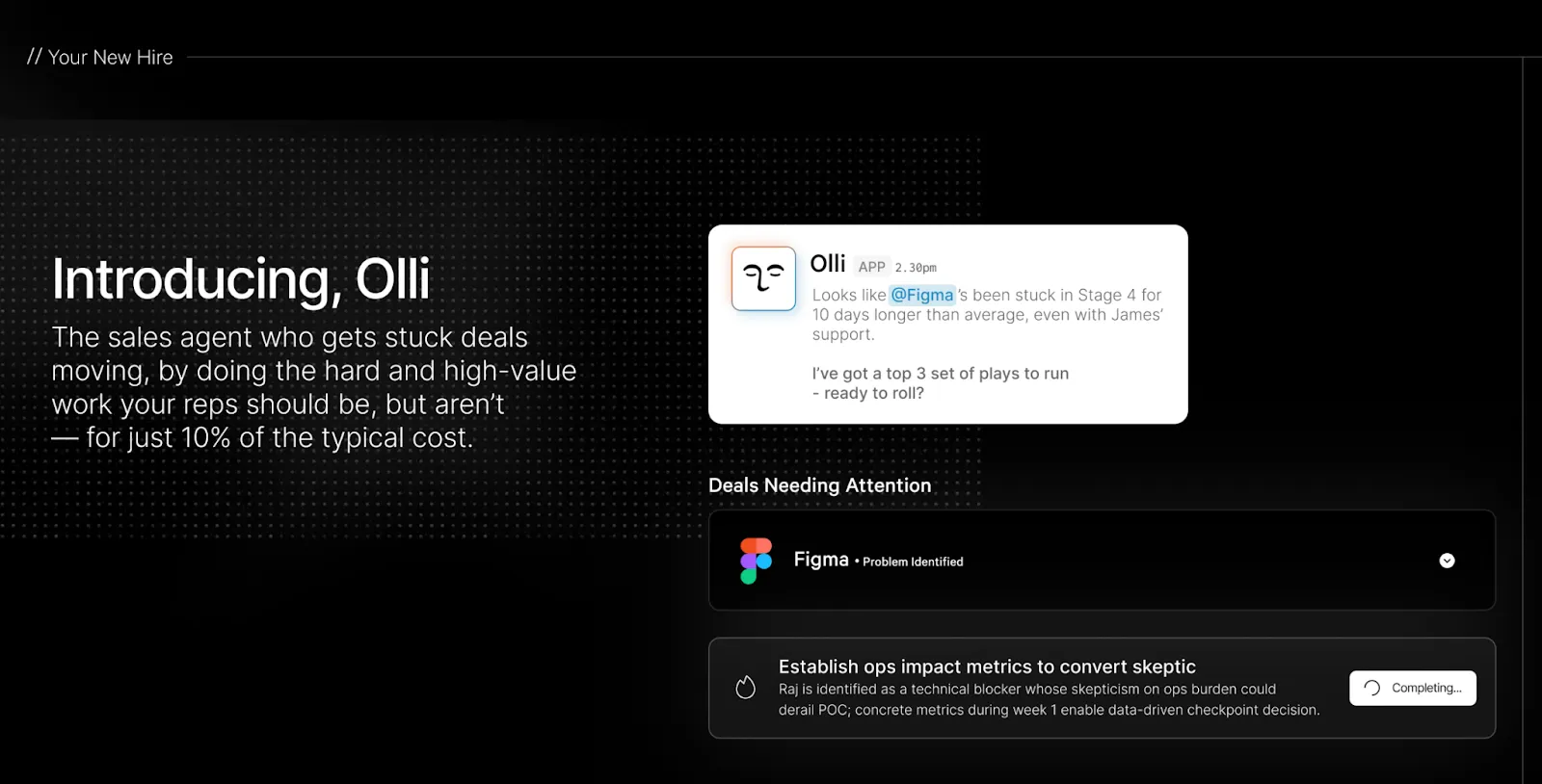
That someone is Olli.
AI that prompts you. Not the other way around.
We built Olli to work the way great assistants work with great executives:
- Olli studies your deals. Showing you which accounts matter, and what’s changing in them. Highlighting hidden risk and new patterns.
- He presents options. He shows you 2 - 3 creative, recommended paths forward, based on what’s working across all the data he has access to. Part RevOps, part Enablement.
- Olli executes. You make the call, Olli does the work.
Not just the admin (like CRM updates and research). The hard, high-value work: building visuals, drafting exec-level business cases, and crafting outreach to skeptics. - Olli checks back in. He listens to your calls, studies your calendar, and nudges you in Slack, on email, and during your day to show you what you missed, and where he needs input.
You review, redirect, or approve. Then Olli keeps moving.
He splits the hard work, while you keep the commission.
Which means Olli isn’t "AI that replaces reps." That framing misses the point entirely.
Olli is the AI sales assistant that lets you actually do your job — the executive part.
That's the job. It always was. We just forgot, somewhere along the way, that "Executive" was supposed to mean something.
Olli's here to remind you.
Meet Olli, Fluint's AI Sales Assistant
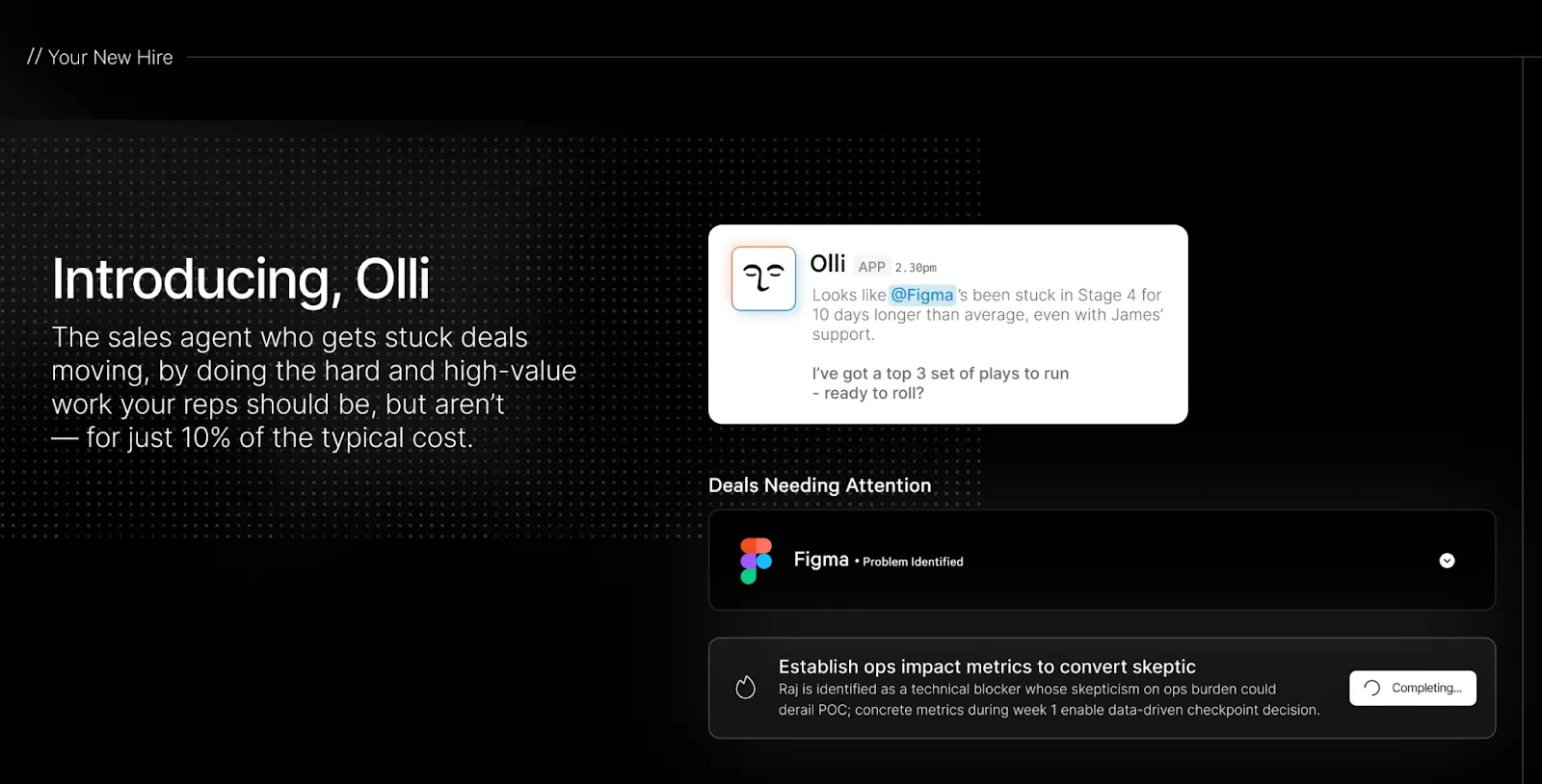
Hi! I’m Olli, Fluint’s AI sales assistant, built to put the executive back in Account Executive.
I study your deals across CRM, meetings, and email to surface what’s changing, where risk is building, and which accounts deserve your attention. I present clear options for how to move deals forward. You make the call.
Then I execute. Follow-ups, exec-level summaries, business cases, CRM updates, and deal work that usually eats your week—all handled in real time, in the tools you already use.
You decide. I do the work. Deals move faster.
👉 Start chatting with me for free
FAQ's on:
Why stop now?
You’re on a roll. Keep reading related write-up’s:



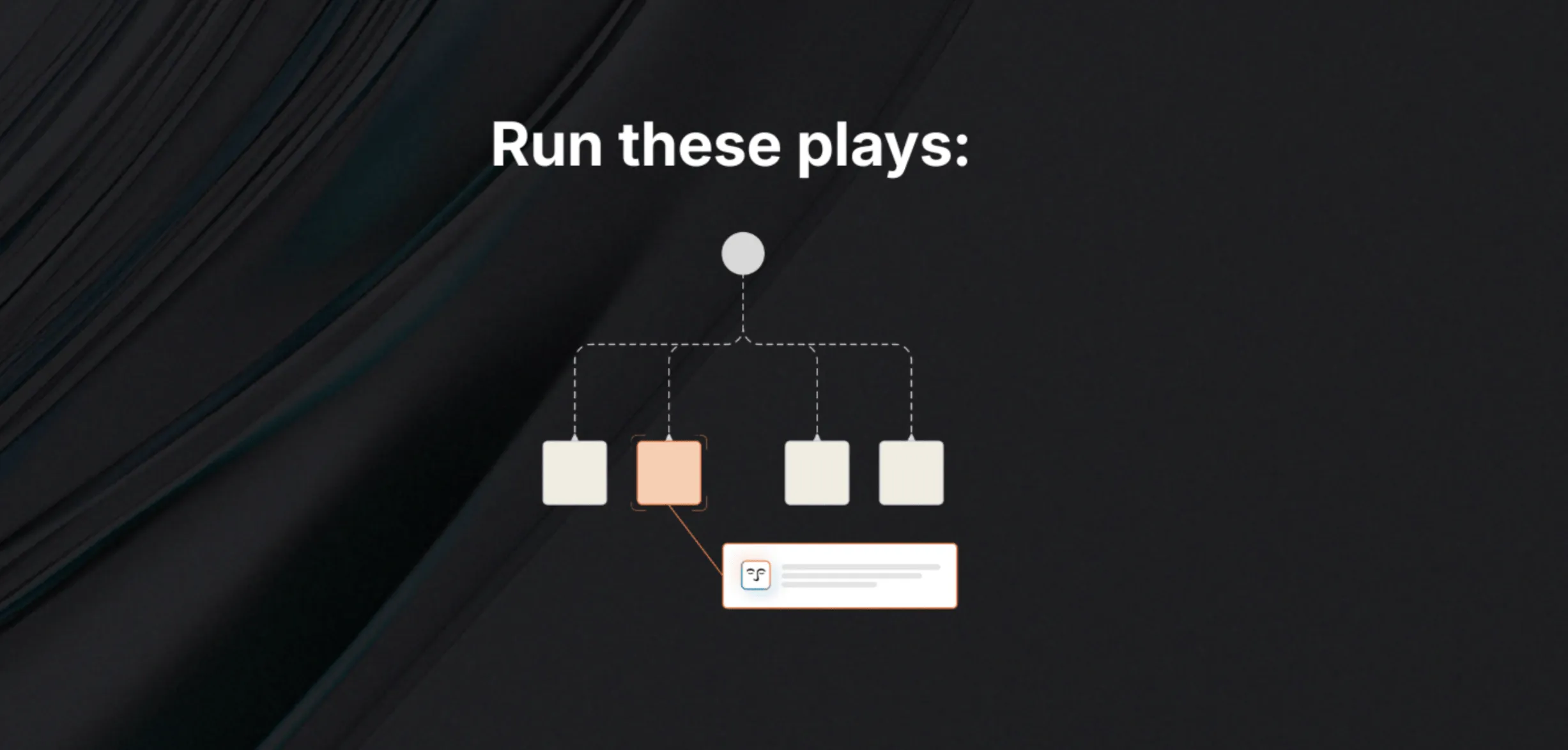

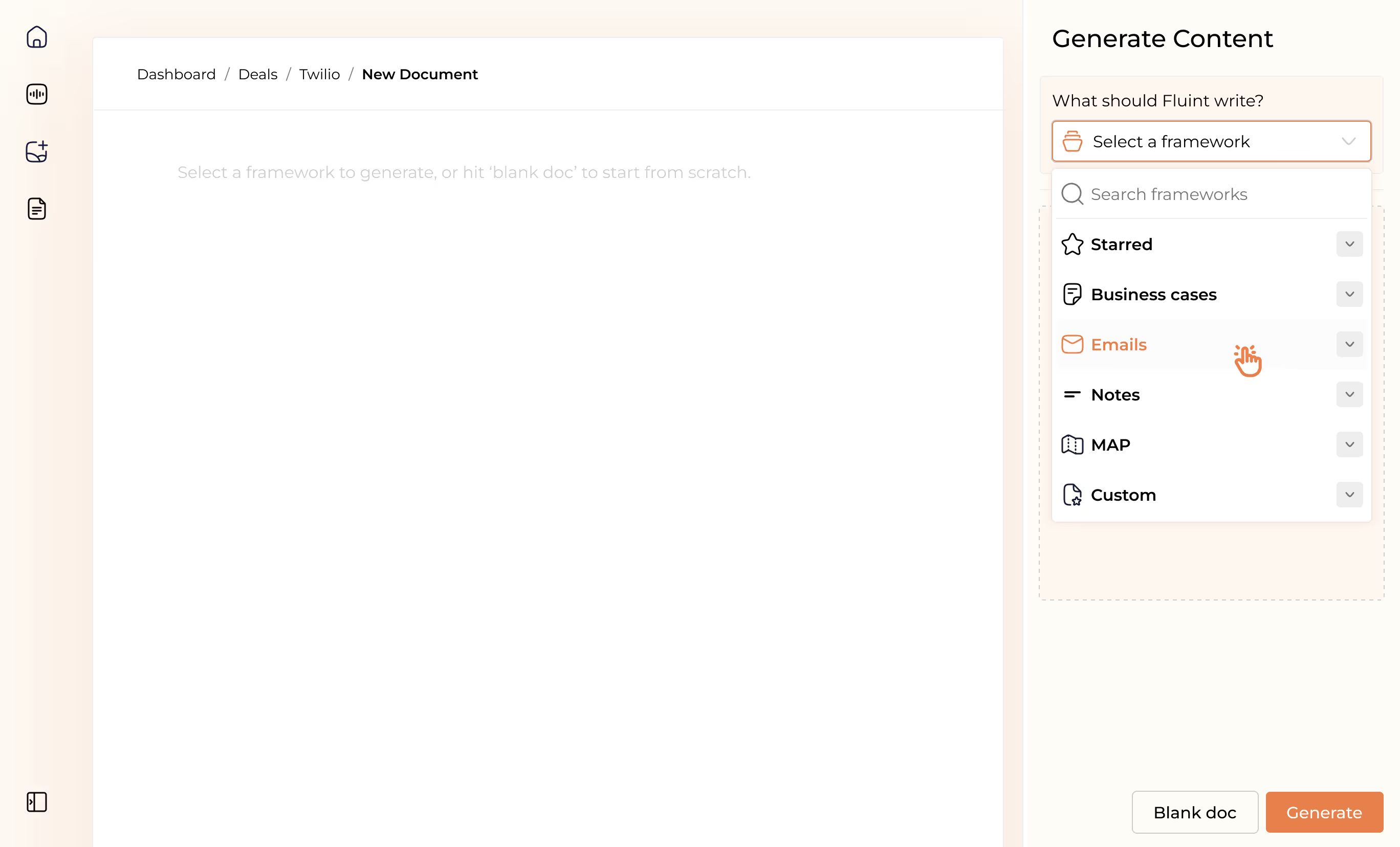
Draft with one click, go from DIY, to done-with-you AI
Get an executive-ready business case in seconds, built with your buyer's words and our AI.
Meet the sellers simplifying complex deals
Loved by top performers from 500+ companies with over $250M in closed-won revenue, across 19,900 deals managed with Fluint

Now getting more call transcripts into the tool so I can do more of that 1-click goodness.



The buying team literally skipped entire steps in the decision process after seeing our champion lay out the value for them.


Which is what Fluint lets me do: enable my champions, by making it easy for them to sell what matters to them and impacts their role.

